
Lighter bridges.
Stronger structures.
Carbon fiber-reinforced polymer (CFRP) bridge hangers and prestressed strengthening loops for new infrastructure and the rehabilitation of existing concrete structures.
SWISS ENGINEERING
MADE IN SWITZERLAND & GERMANY
25+ YEARS INDUSTRY EXPERIENCE
Two solutions. Different structural needs.
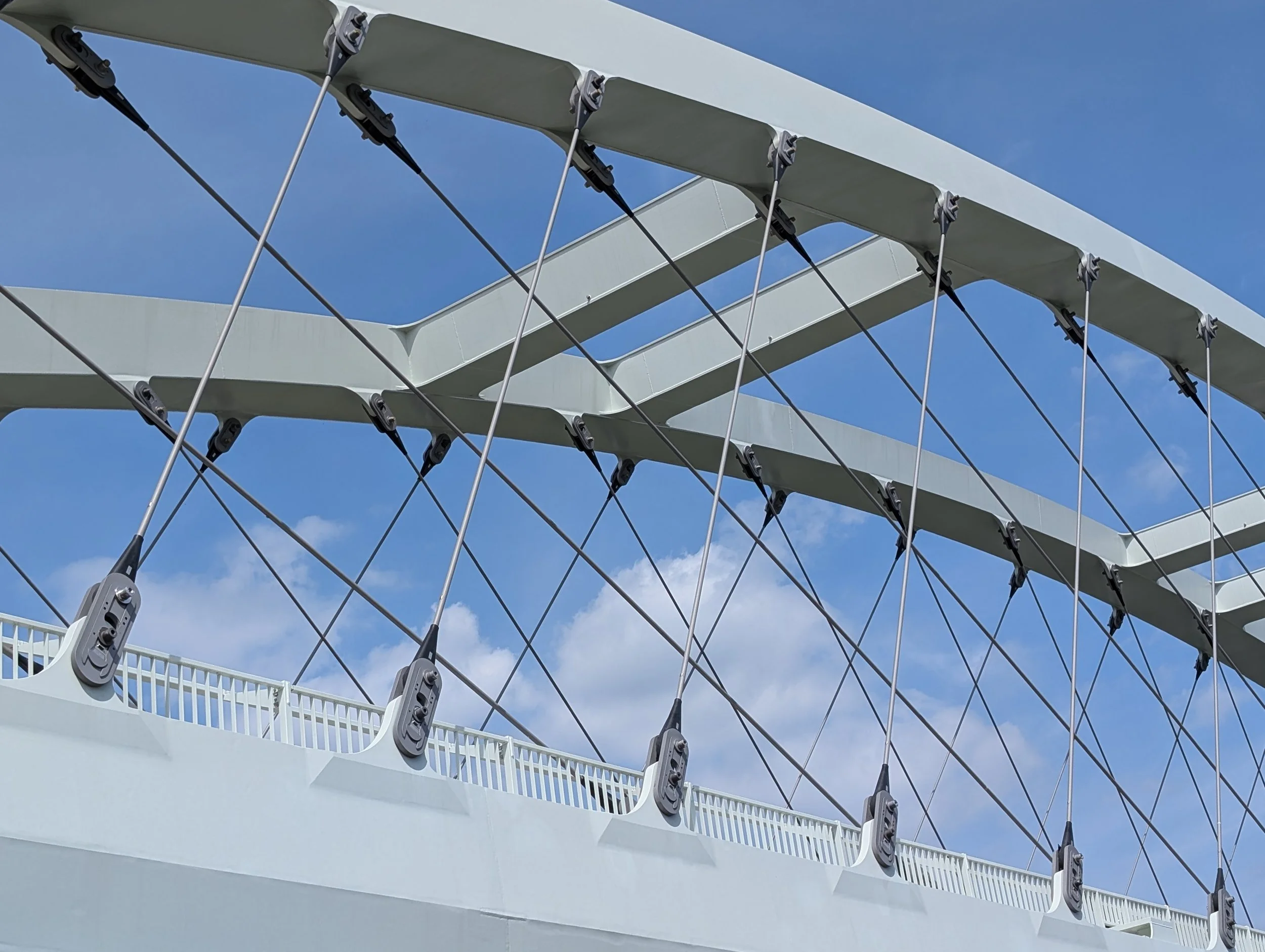
Bridge cables
CL-BRIDGE
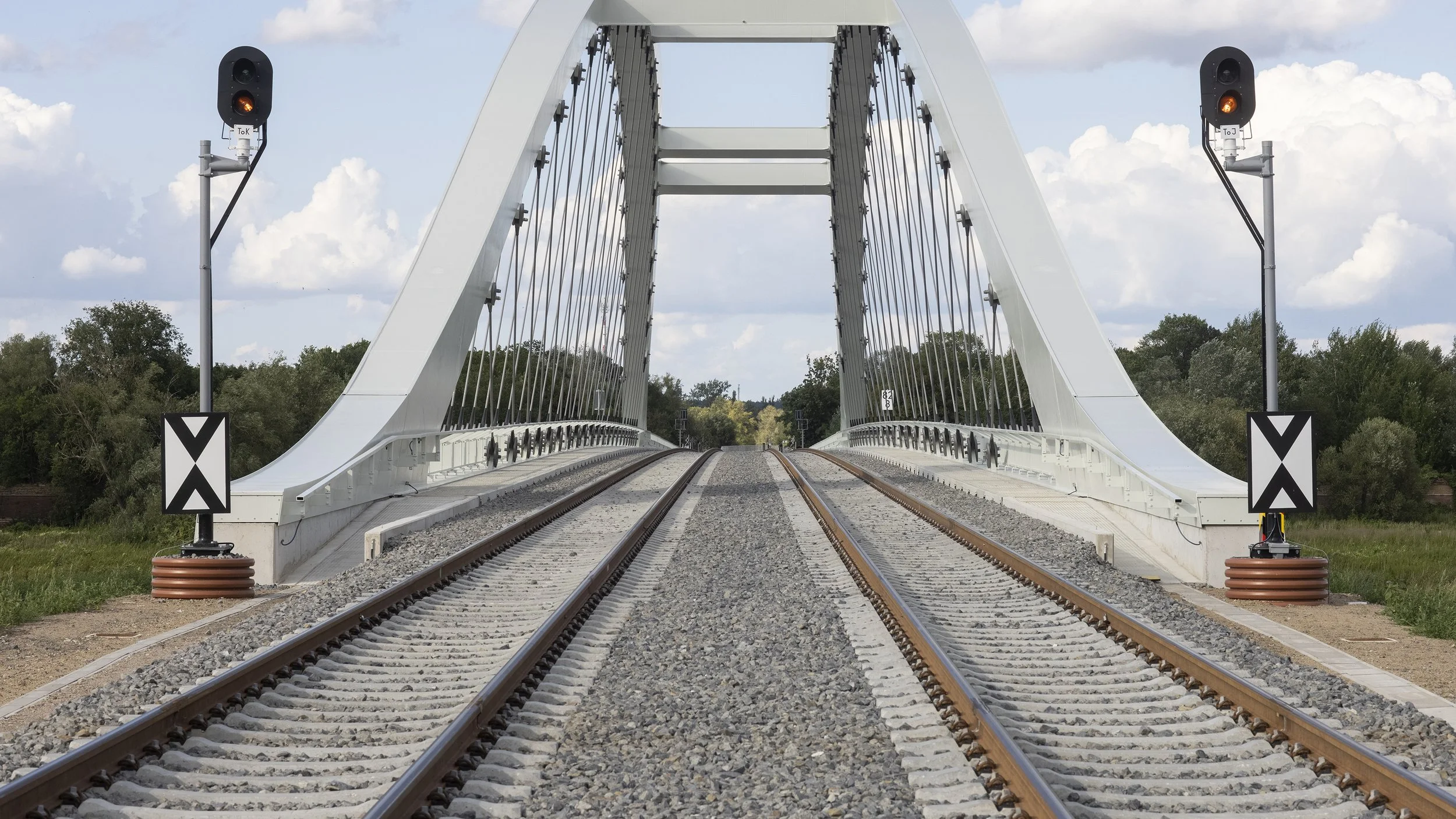
Lightweight carbon hangers for railway and road bridges, particularly medium- and long-span network arch structures.
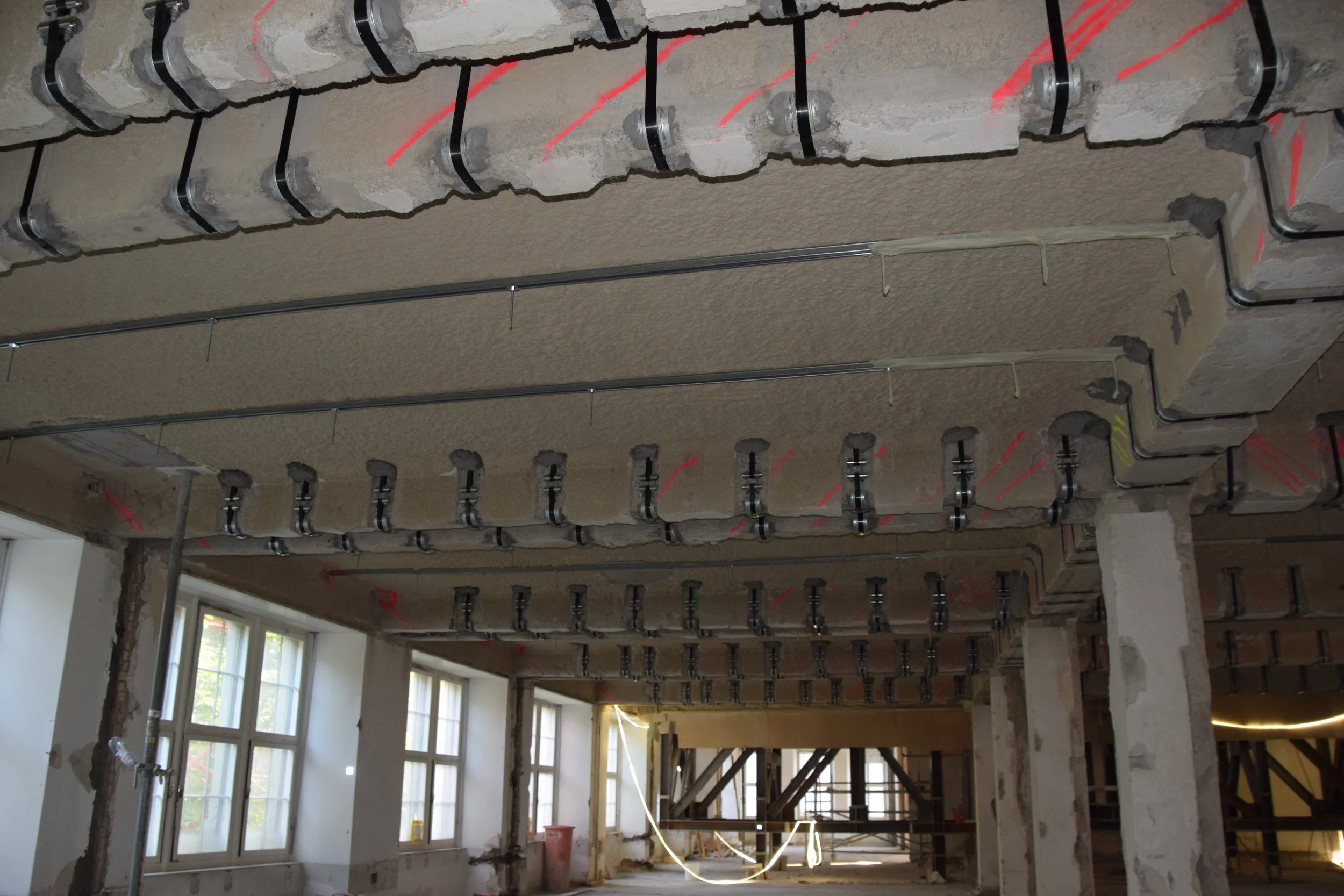
Structural strengthening
CL-RESTRAP
Mechanically prestressed CFRP loops that add active shear reinforcement to existing concrete members.
CL-BRIDGE / Bridge cables
Reduce hanger weight.
Unlock structural efficiency.
CL-BRIDGE carbon hangers combine low self-weight, high fatigue resistance, and compact cross-sections for railway and road bridges.
Hanger axial stiffness influences how loads are distributed through the network. Specifying the hangers together with the arch and deck allows designers to assess opportunities to reduce structural weight and material use.
Low self-weight for transport and installation.
High fatigue resistance under repeated loading.
Compact sections for slender hanger networks.
Axial stiffness tailored to the bridge design.

CL-RESTRAP / Structural strengthening
Active reinforcement
for concrete structures.
CL-RESTRAP strengthens concrete beams and girders using externally installed, mechanically prestressed CFRP loops. The loops form a closed force path around the member. Prestressing activates the reinforcement during installation, allowing it to carry service loads without an adhesive bond to the concrete.
The system is designed around the shear demand not covered by the existing reinforcement. Loop spacing and prestress are selected to suit the structural requirements.
Active shear reinforcement through controlled prestressing.
Force transfer independent of an adhesive bond.
Lightweight loops for manual handling.
Corrosion-resistant CFRP reinforcement.
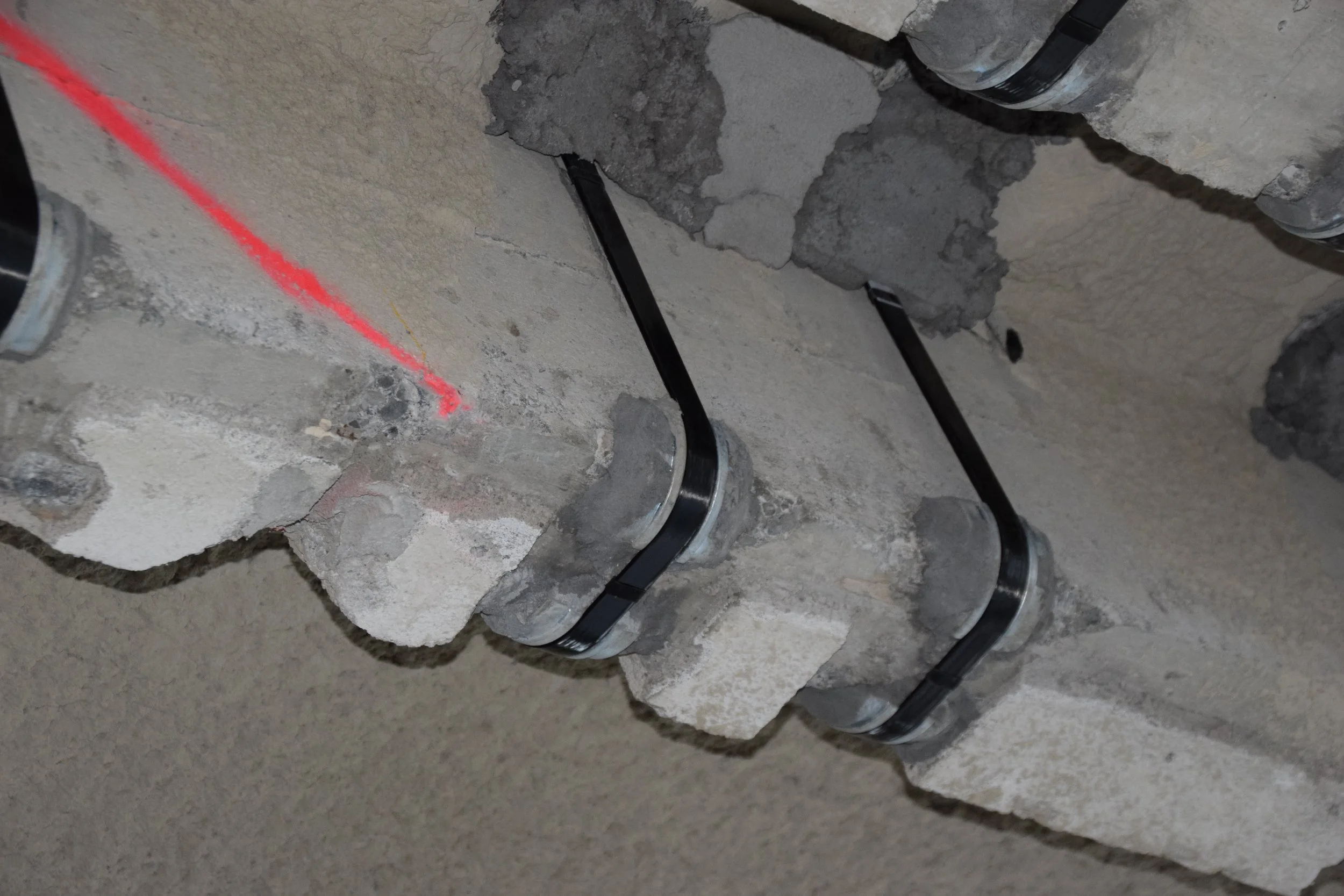
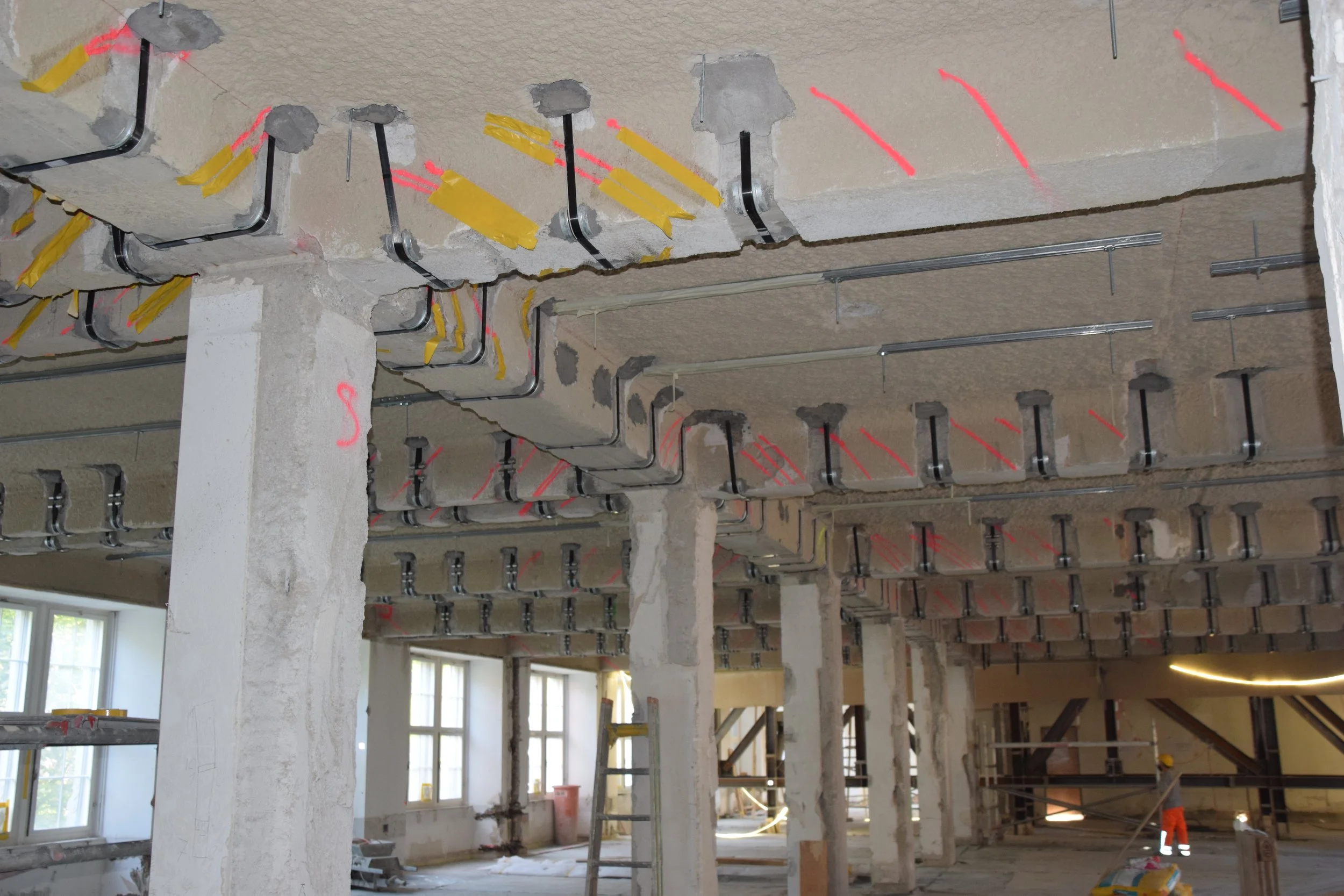
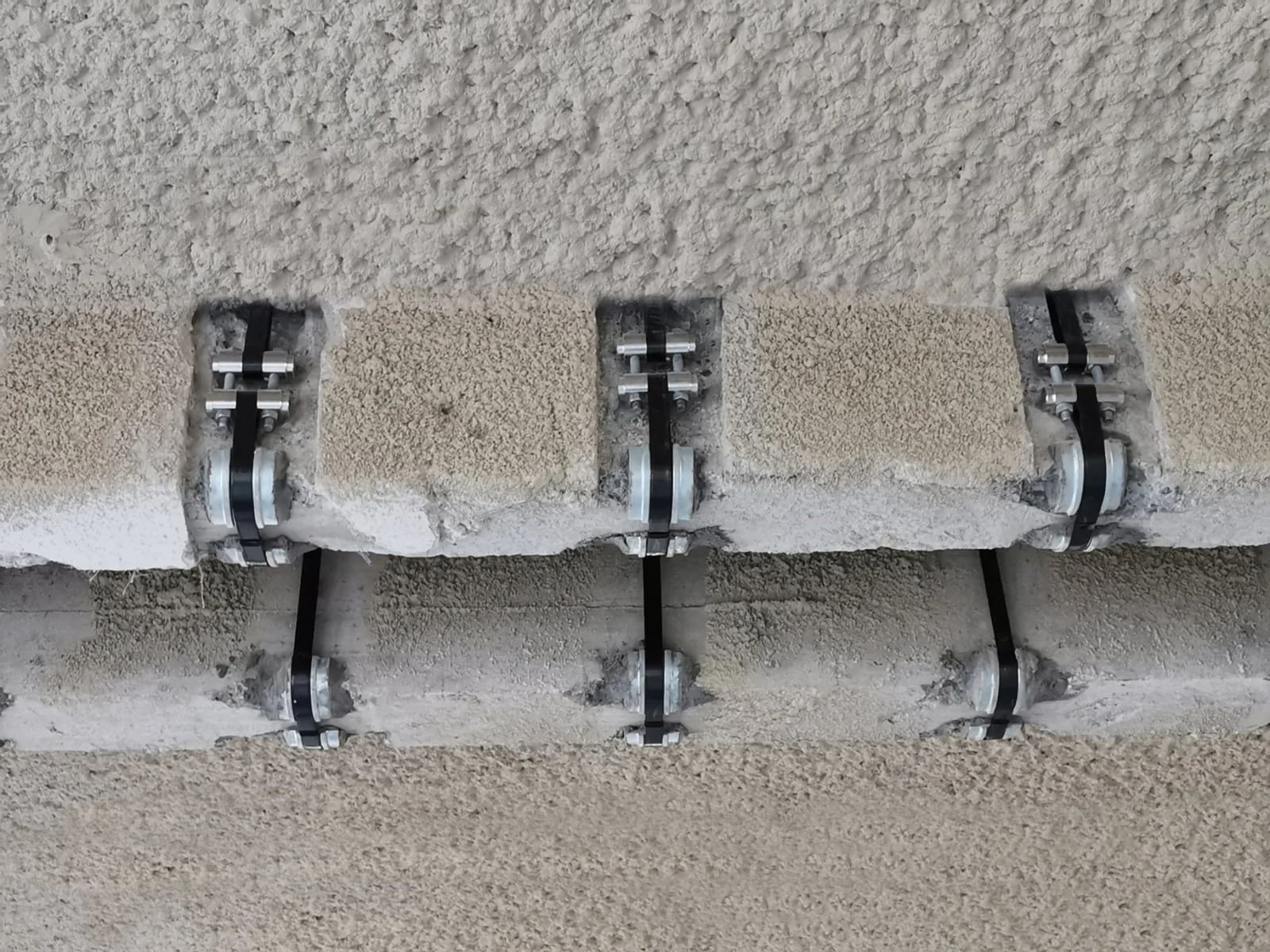
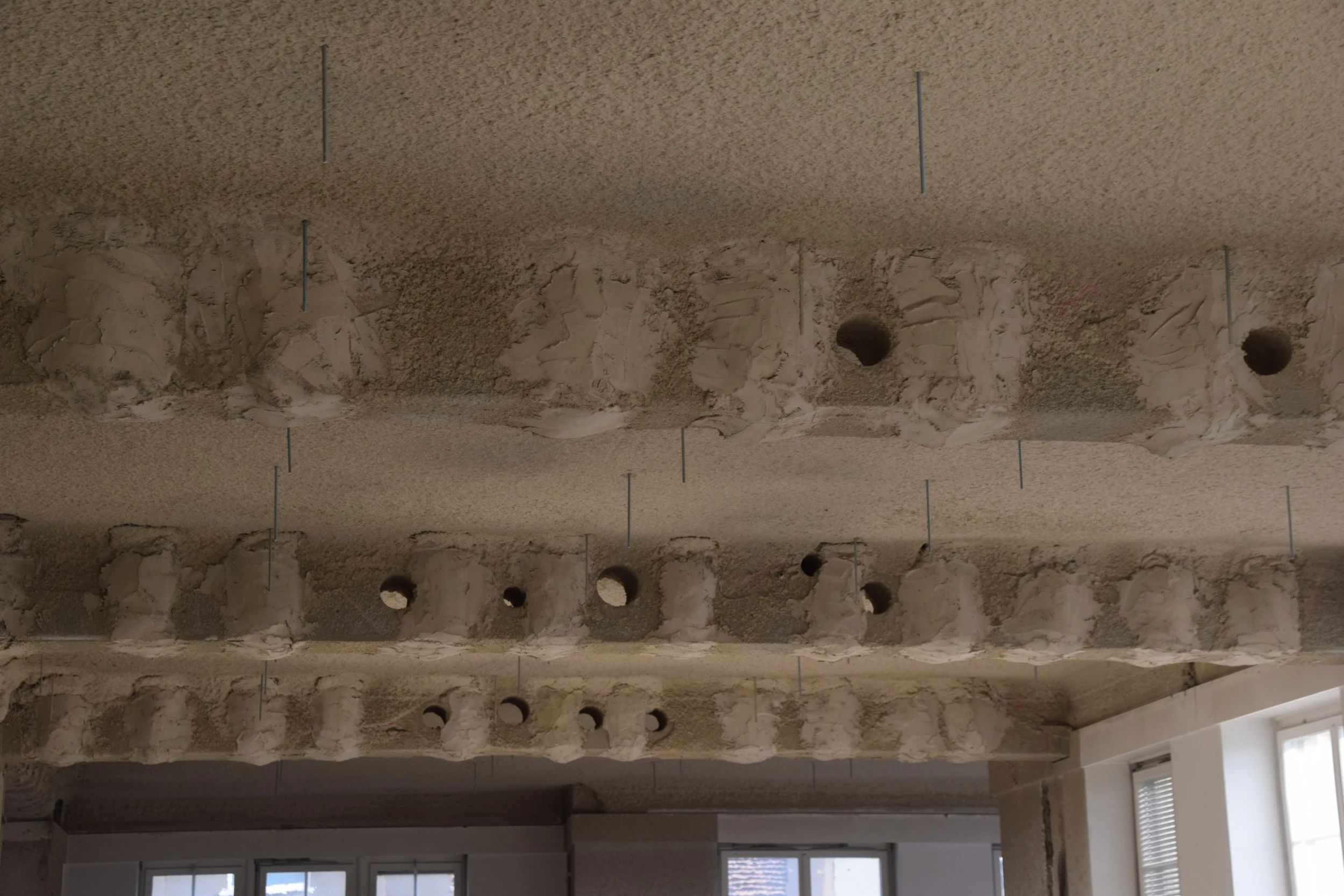
Easy installation of CL-RESTRAP.
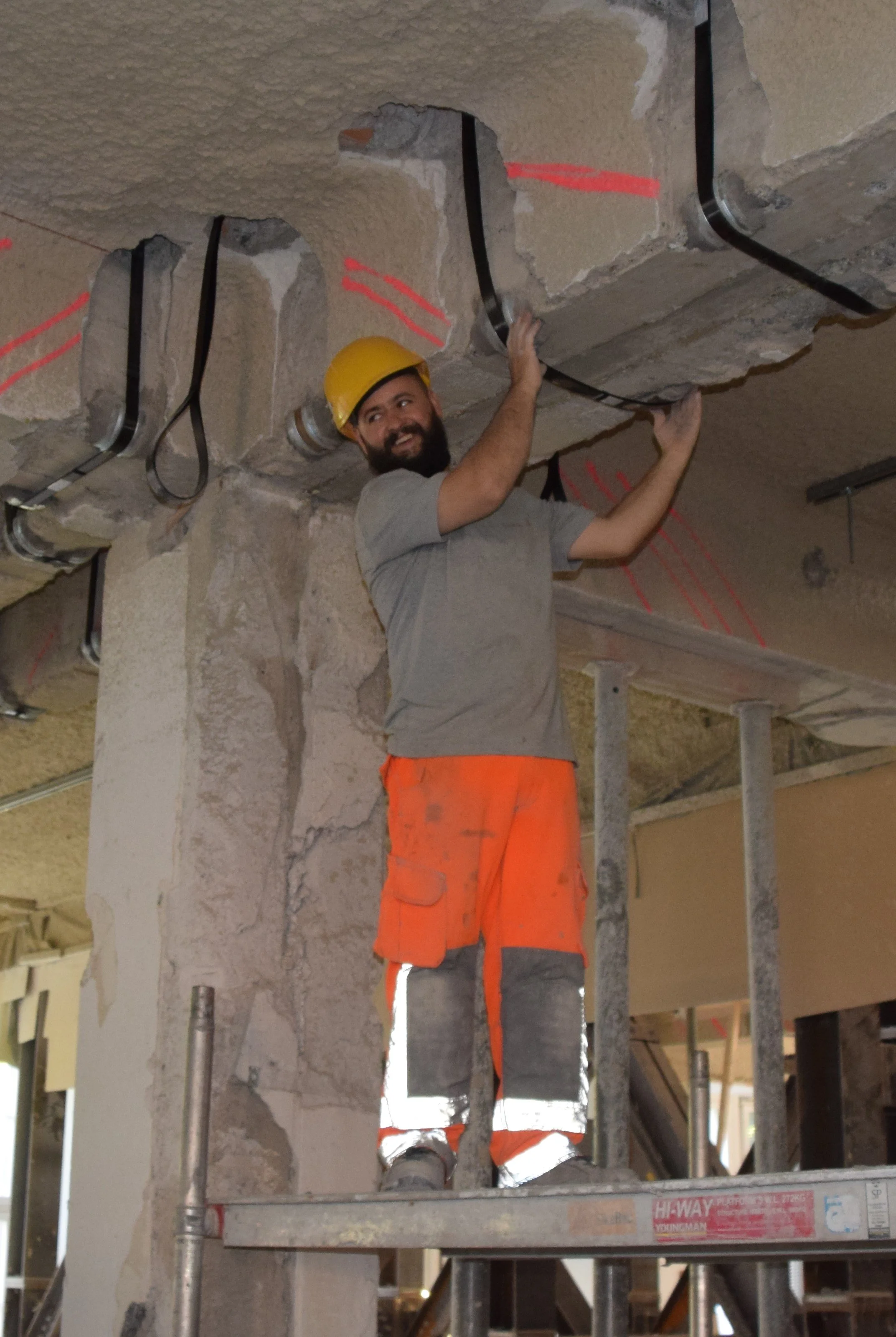
1. Install the loop
Pass the CFRP loop around the member and position the specified corner saddles and tensioning components.
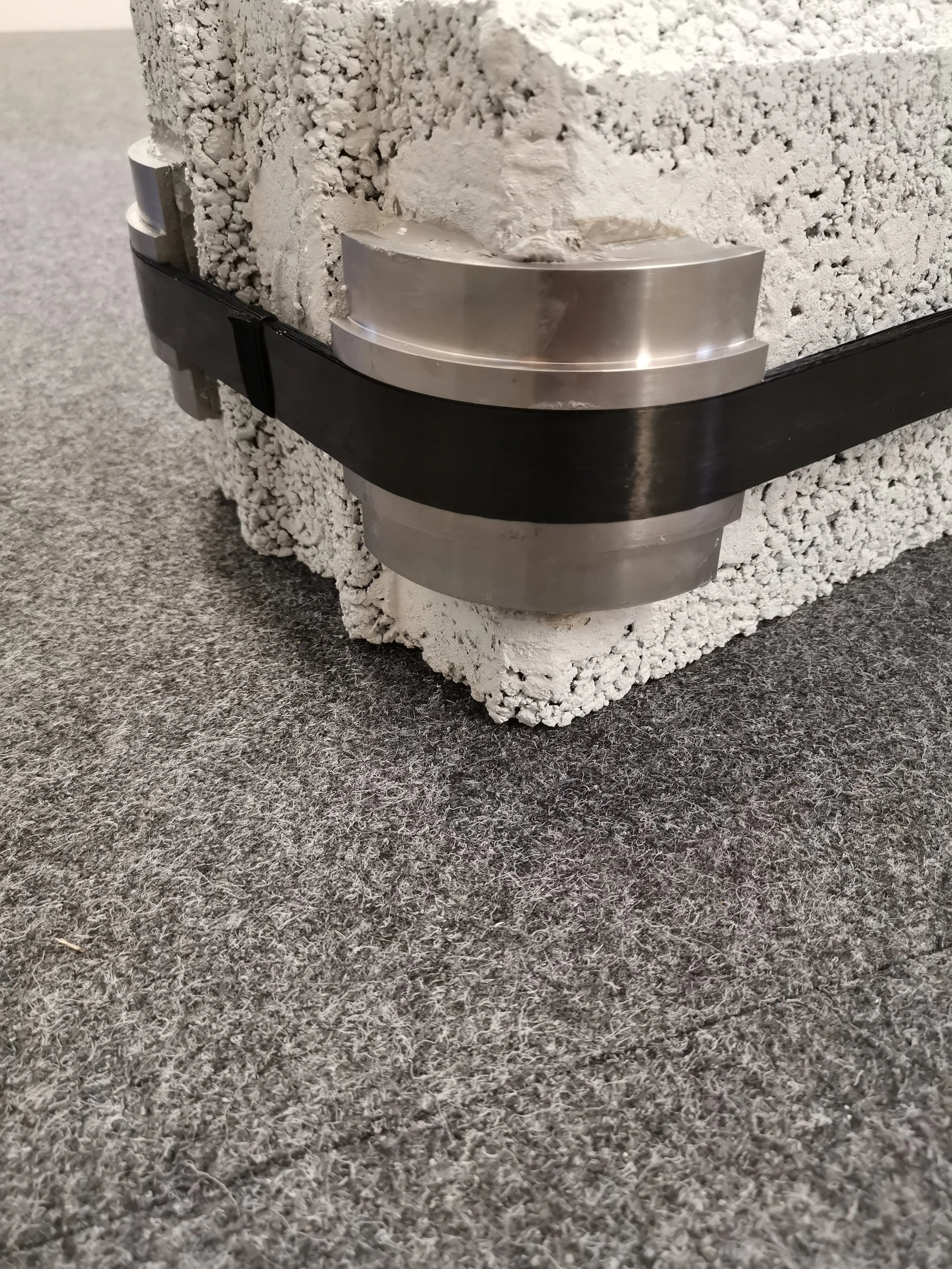
2. Secure in deflection saddles
Lead the CFRP loop around the corner saddles pre-installed on the concrete beams.
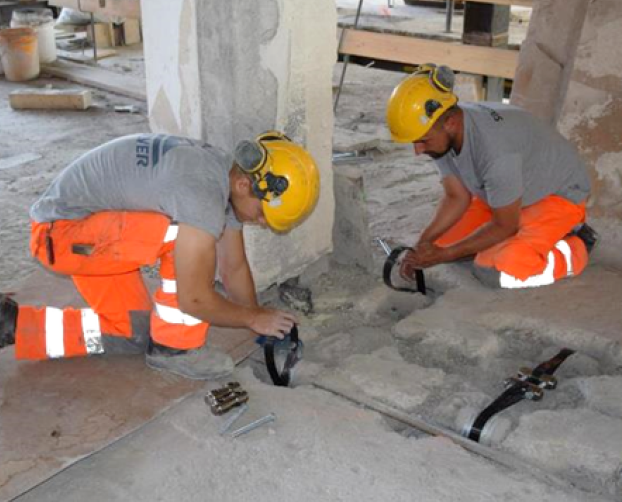
3. Prepare ends for clamping & tensioning
Install the pins through the strap’s open-end loops and connect the tensioning system.
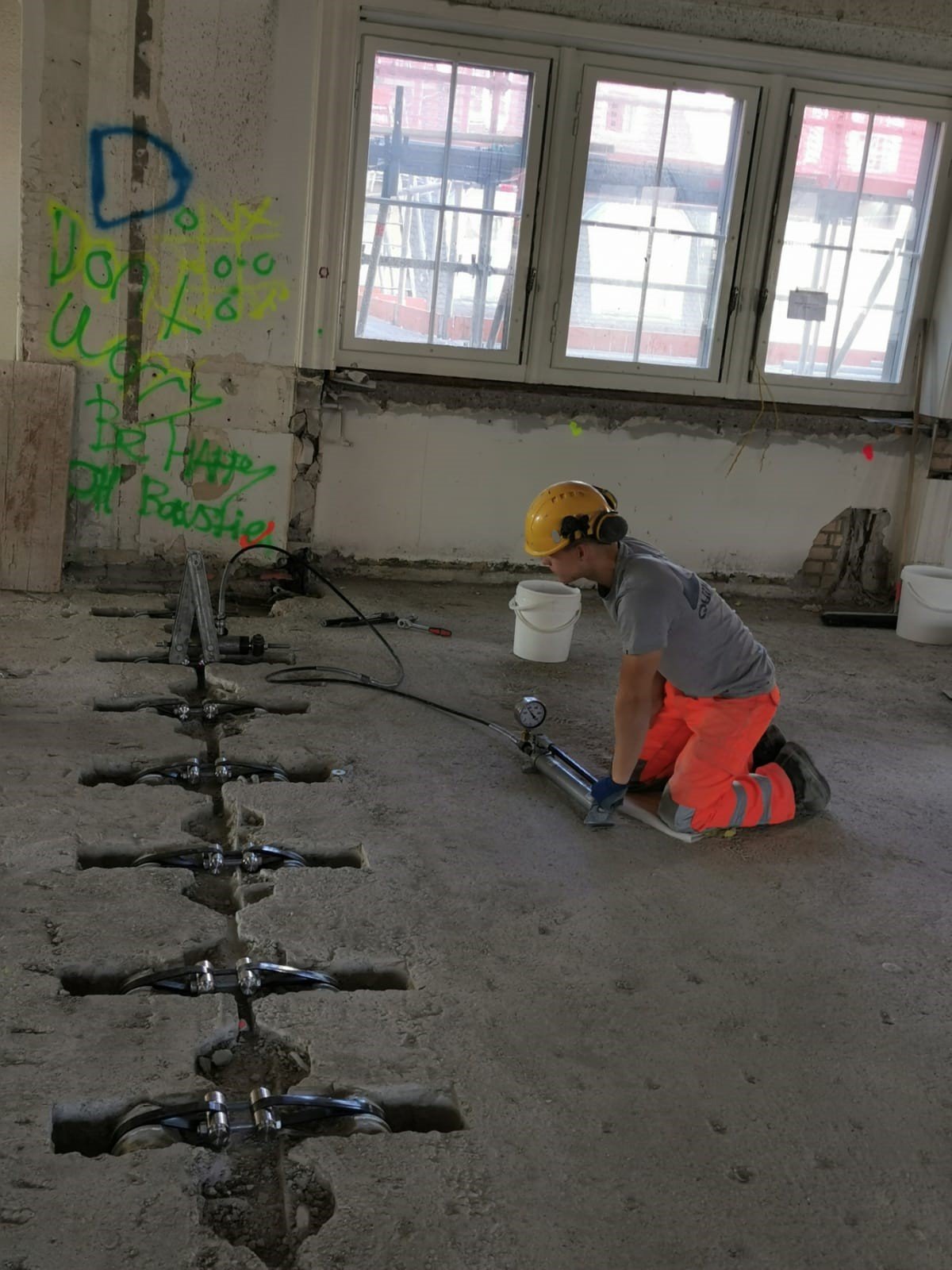
4. Tension
Using a hydraulic pump, tension the CFRP loop to the desired pre-stress and tension the clamping bolts.
Structural efficiency
Assess component strength, stiffness and interfaces alongside their effect on the wider structure.
Consider the complete structure.
Installation efficiency
Low component weight can simplify handling and reduce lifting requirements, depending on access and the construction method.
Lifecycle perspective
Assess material use, transport, installation, and maintenance together. Environmental benefits depend on the project and the basis for comparison.
Applied in infrastructure.

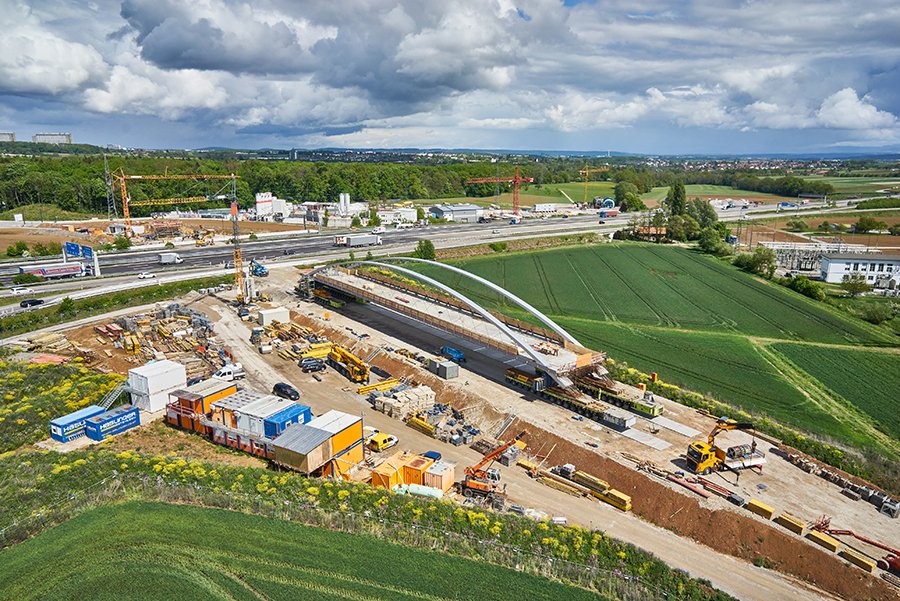
Stadtbahnbrücke, Stuttgart
CL-BRIDGE
Carbon hangers applied to the requirements of a light rail bridge.

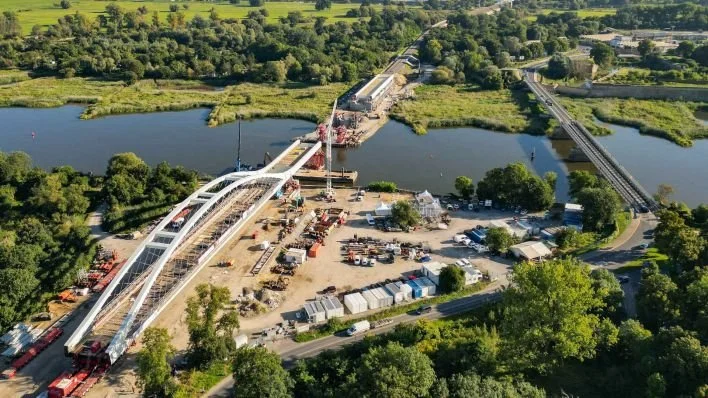
Oderbrücke, Küstrin
CL-BRIDGE
Carbon hangers used in a railway network arch bridge.
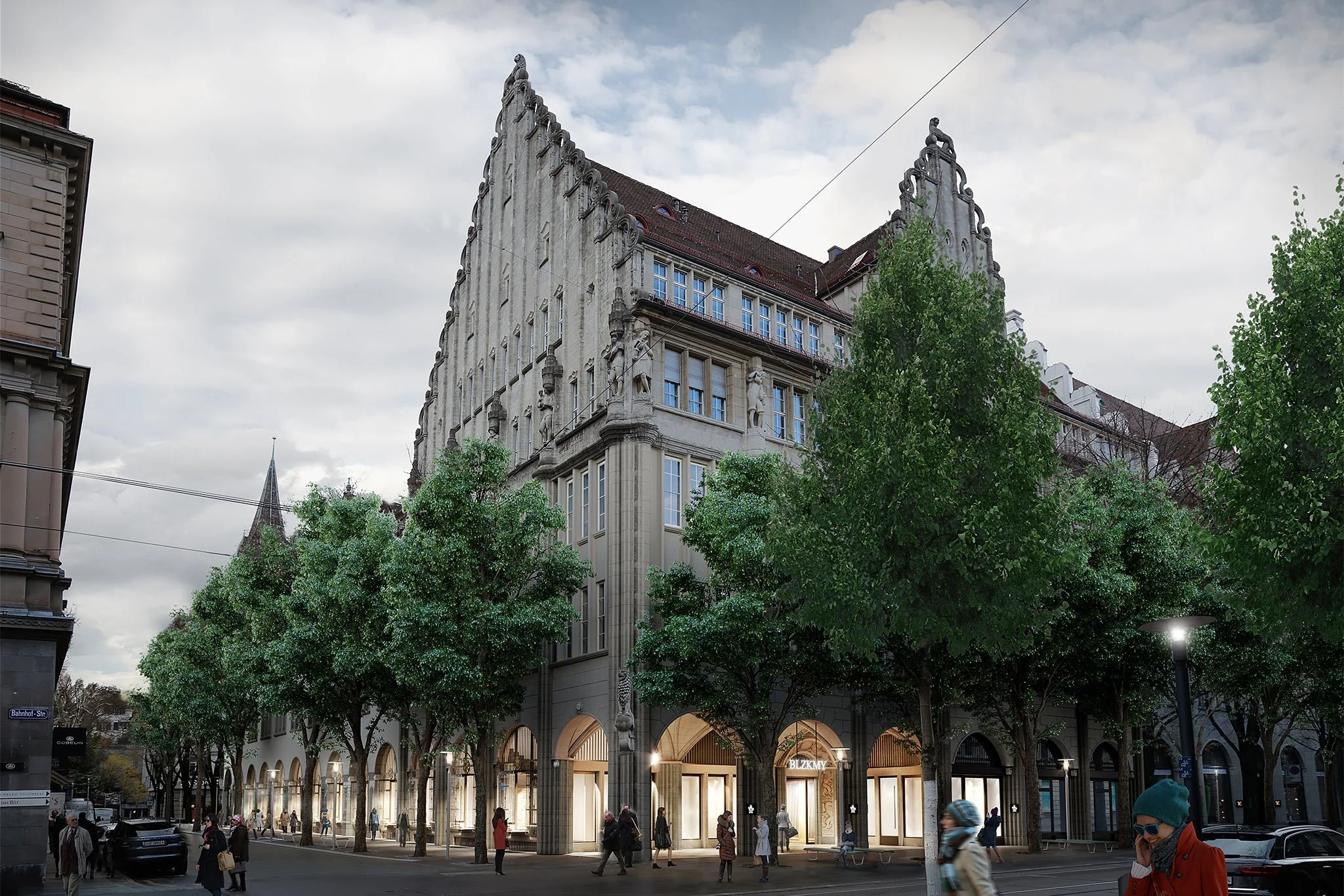
Bank Leuenhof, Zurich
CL-RESTRAP
Active shear strengthening of an existing reinforced-concrete structure following reassessment of its capacity.
A clear process, from brief to handover.
01 / Define
Agree on the brief
Establish sailing objectives, geometry, loads, interfaces, responsibilities, and program. Identify the information needed to develop a meaningful proposal.
02 / Engineer
Develop the solution
Review concepts and structural behavior, resolve interfaces, and agree on the design basis, validation approach, and production specification.
03 / Manufacture
Build and verify
Produce the components through controlled manufacturing processes, with inspection, testing and documentation defined for the project.
04 / Integrate
Prepare for operation
Coordinate delivery, installation interfaces and agreed commissioning support. Hand over the relevant documentation and maintenance requirements.
Your questions, answered.
-
Suitability is assessed as part of the bridge design. Differences in weight, axial stiffness, dynamic behaviour and connections must be considered by the project team.
-
No. Force transfer is provided by the mechanically prestressed loop system. Access around the member, corner details and the tensioning arrangement still need to be defined for the installation.
-
Share the structure type and location, relevant drawings, design loads or strengthening requirements, access constraints and target programme. For existing structures, include available assessment reports.
START A CONVERSATION
Tell us about
your Infrastructure project.
Planning a bridge or reassessing an existing concrete structure? Share the application, engineering requirements and timing.
Prefer email? info(at)carbo-link.com
Or to call? +41 58 201 25 00